Blog
Expert content about selecting and installing polyethylene pipes.
 Latest article
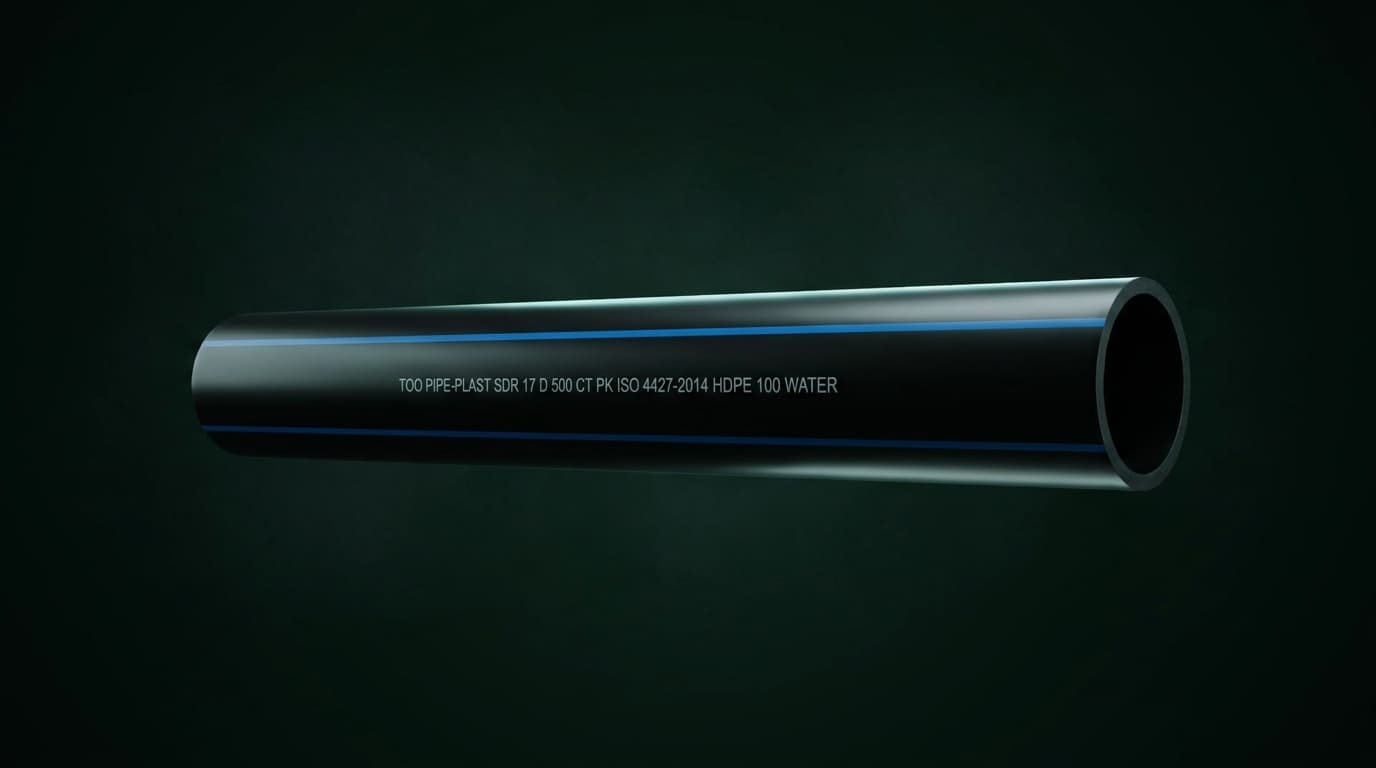
What Is SDR in Pipes and How to Choose
SDR determines wall thickness and working pressure. We break down how to select the right SDR for your application.
Read article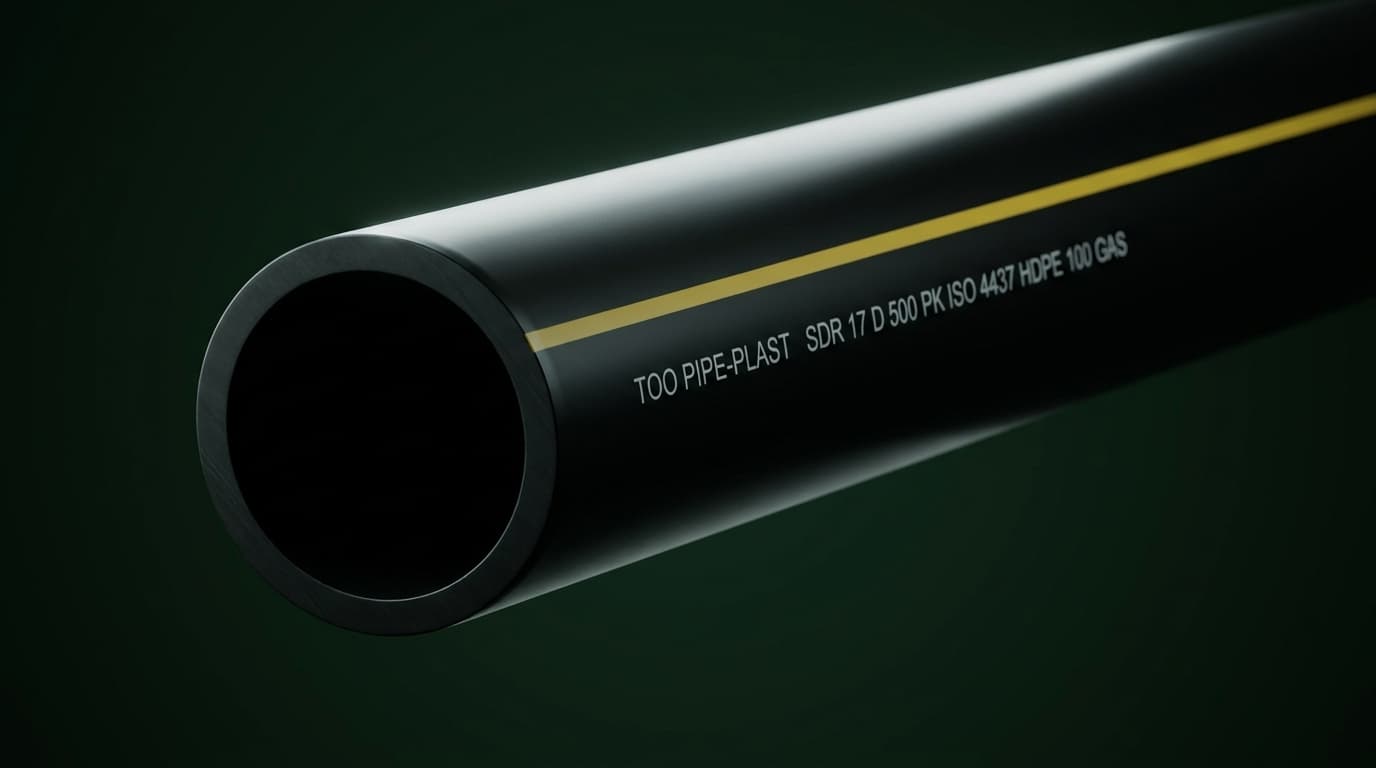 02
PE80 vs PE100 — What Is the Difference
Two polyethylene grades for pressure pipes. Why PE100 outperforms and when PE80 suffices.
Read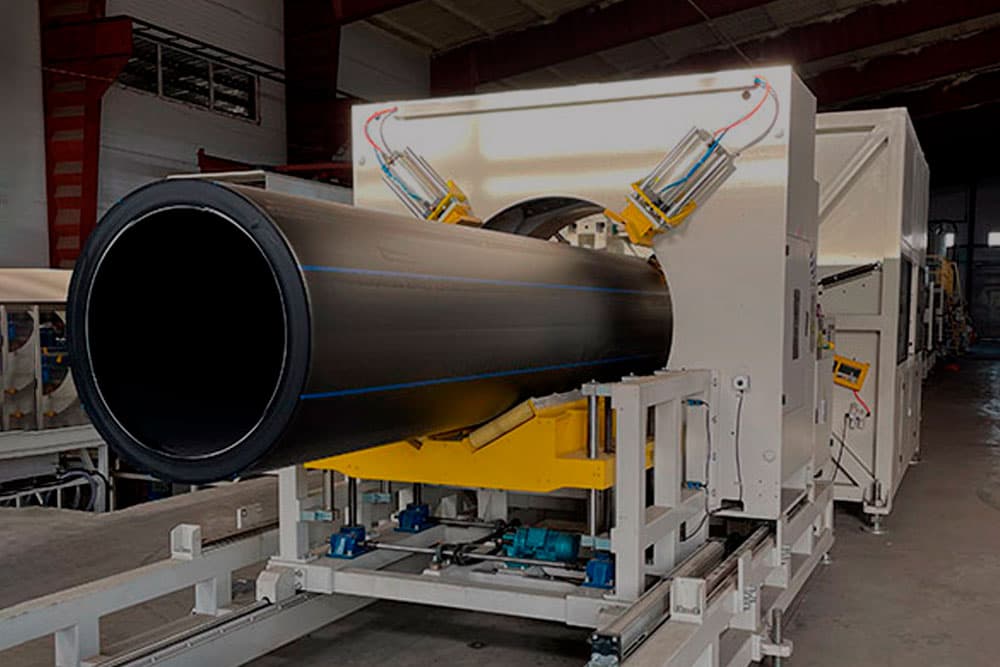 03
Co-Extruded Pipes — Why They Matter
A two-layer pipe with a visible white layer of virgin raw material. How it is built and what the benefits are.
Read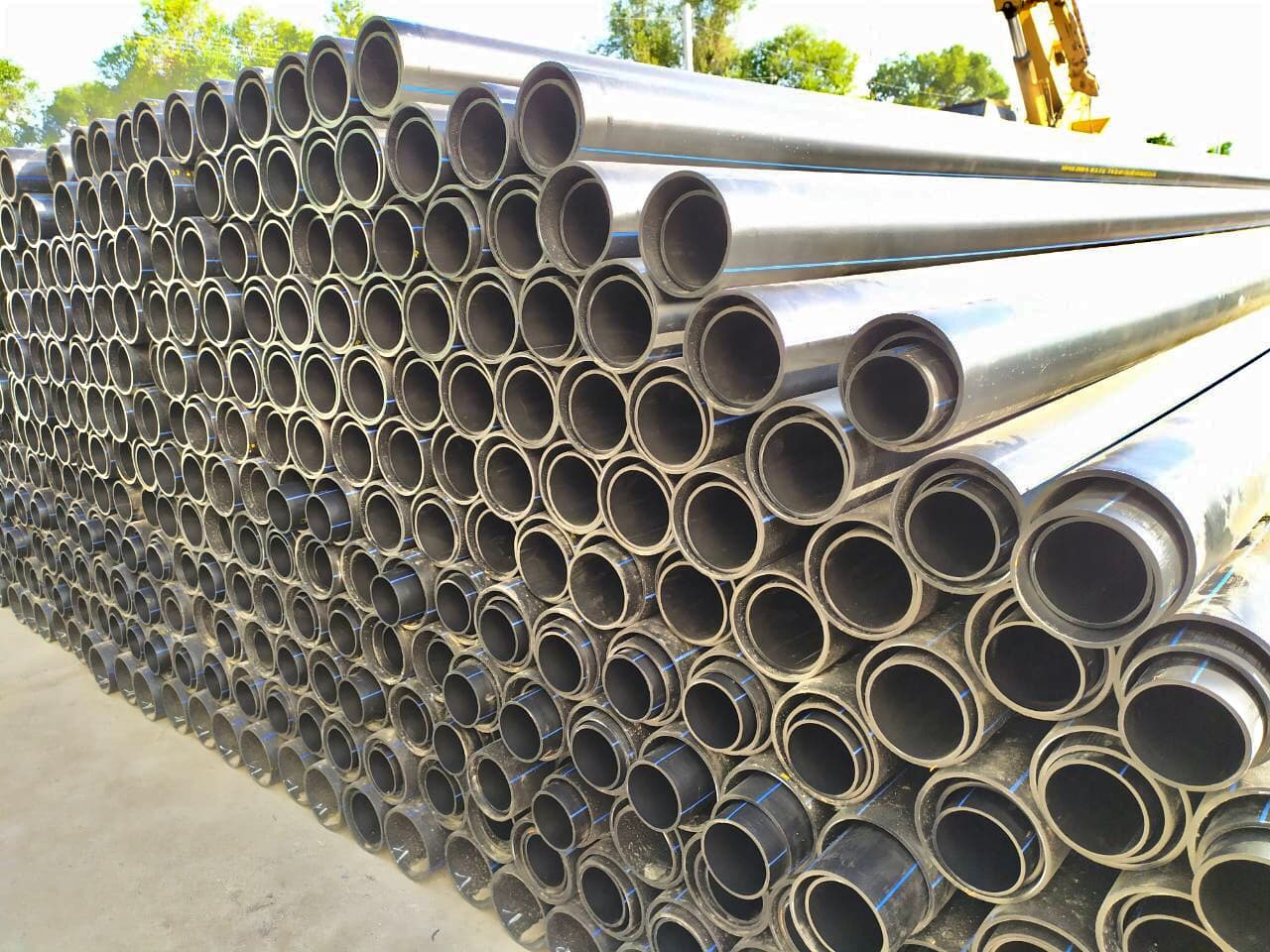 04
Large-Diameter Pipes in Kazakhstan (710–1200)
Large heavy-wall pipes d710–1200 — who manufactures them in the region and what they are used for.
Read05Can Plastic (Polypropylene) Pipes Be Used for Gas?
Polypropylene is not used for gas. Underground gas lines use PE100 polyethylene to ST RK GOST R 50838-2011; indoors, steel or copper.
Read06How to Fix a Leak in a Plastic Pipe: PE, PP and PVC
Leaking plastic pipe: shut off the water, fit a temporary clamp, replace the section with a coupling. PE vs PP methods and when to call a plumber.
Read07Gas Pipe Installation Inside a House: Rules and Procedure
Indoor gas piping is steel or copper, installed to a design and only with the gas service's involvement. Rules, approval procedure, safety.
Read08How to Patch a Hole in a Plastic Pipe: What Actually Works
A puncture, crack or drill hole in a plastic pipe: what to use temporarily, why glue fails on PE, and how to replace the damaged section properly.
Read09How to Choose Pipes for Garden and Dacha Irrigation
A PE pipe in a coil works for irrigation: 20–32 mm for beds, 40–63 mm for the main line. Pressure, laying and draining the line for winter.
Read10Which Pipes Are Best for a Water Supply
Water supply pipes compared: PE for outdoor lines, polypropylene and multilayer for indoor runs, steel and copper. What to use for a house or plot.
Read11Joining HDPE Pipes: Fittings, Welding and Transition to Metal
How to join HDPE pipes: compression fittings, butt and electrofusion welding, flanges. What to choose by diameter and how to install a fitting.
Read12How to Choose Pipes for a Gas Line in an Apartment or Private House
The underground service line is PE100 polyethylene to ST RK GOST R 50838-2011; indoor piping is steel or copper. How to choose material, diameter and SDR.
Read13Sewer Pipe Depth in a Private House
Sewer depth depends on frost depth and slope: typical fall is 2 cm/m for d110 and 3 cm/m for d50. Insulation, leaving the house, septic tank.
Read 14
What Diameters of Plastic Pipes Exist
The PE pipe diameter range to GOST 18599-2001: from 20 to 1200 mm. How outside diameter differs from nominal bore, and how SDR relates to wall.
Read15Which Pipes to Choose for Heating: Materials Compared
Which pipes suit home heating: steel, copper, reinforced polypropylene, PE-X, multilayer. A comparison, and why HDPE pipe is not suitable for heating.
Read16Can You Lay Water Pipes Under a Screed?
Can water pipes go into a floor screed? Conditions, suitable materials, sleeving, pressure testing and risks, and how to avoid opening the floor.
Read17Can You Embed Pipes in a Wall? Which Pipes Are Suitable
Can pipes be embedded in a wall, and which ones: polypropylene, PE-X, copper, multilayer. The conditions for concealed runs and what must not be hidden.
Read 18
Polypropylene Pipe Service Life: How Long It Lasts in Practice
How long polypropylene pipes last: the stated 50 years on cold water and how temperature, pressure and installation cut that. Compared with PE.
Read 19
Polyethylene vs Polypropylene Pipes: What Is the Difference?
How polyethylene (HDPE) pipes differ from polypropylene (PP) ones: temperature, flexibility, jointing and use. What suits a house and plot.
Read20How to Transition from a Metal Pipe to a Plastic Pipe
Joining steel pipe to polypropylene or polyethylene: combination fitting, compression coupling, union nut. Step-by-step order and common mistakes.
Read21How to Connect a Cast Iron Pipe to a Plastic Pipe
Connecting cast iron sewer pipe to plastic: transition gasket, socket, lubricant, slope. Step-by-step order and how to check the joint for leaks.
Read22How to Bend a Plastic Pipe and Can You Heat HDPE Pipe
How to bend a large-diameter HDPE pipe: the permissible bending radius without heating, why a flame or heat gun is a bad idea, and when to fit an elbow.
Read23How to Join Gas Pipes: Methods and Who Is Allowed To
How gas pipes are joined: electrofusion and butt fusion of polyethylene, welding of steel, the PE-to-steel transition. Who is allowed to do the work.
Read24Can Polyethylene Pipes Be Painted, and With What
Can polyethylene pipes be painted: why paint adheres poorly, how to prepare the surface, what to use, and when a protective sleeve is the better choice.
Read25How to Install Sewer Pipes Correctly Yourself
Step-by-step sewer installation: slope, socket joints, cleanouts and a water test. The most common laying mistakes and how to avoid them.
Read26How to Choose the Diameter of Sewer Pipes
Sewer pipe diameters by section: 50 mm for a sink and bath, 110 mm for a toilet and stack, 160 mm for a long outdoor run. Slope and key rules.
Read27Insulating a Sewer Pipe Underground: Methods and Layout
How to insulate a buried sewer pipe: foam shells, XPS boards, heating cable, backfill. When insulation is needed and how to prevent ice blockages.
Read28Fixing Sewer Pipes: Clamps, Spacing and Supports
How to fix sewer pipes: types of clamps, a spacing of about 10 pipe diameters, fixed and sliding supports, and fixing stacks and ceiling runs.
Read29Which Pipes Are Best for Sewers: PVC, PP, PE or Cast Iron
Best pipes for a sewer: PVC, polypropylene, polyethylene or cast iron. What to choose indoors and outdoors and how to read the marking and SN.
Read30Which Water Pipe Is Frost-Proof: PE, PP or Metal-Plastic
What happens to a pipe when the water in it freezes, which material copes best and how to lay a water line so that ice does not form.
Read31Can You Leave Water in an HDPE Pipe Over Winter and How to Drain It
When to drain an HDPE pipe for winter and when not. Step-by-step winterising of a dacha water line: pump, taps, low spots, spring start-up.
Read32Can You Use HDPE Pipe Outdoors: Sun, Frost and Laying
HDPE pipe outdoors: why black polyethylene does not fear the sun, what to consider for above-ground laying and when it is better to bury the pipe.
Read33What Polyethylene Pipe Fears: Heat, Fire, Stones and Ice
What shortens the life of a polyethylene pipe: overheating, fire, sharp stones, deep scratches, repeated freezing, UV and bending below the minimum radius.
Read34How to Insulate a Dacha Water Line: Burying, Shells, Cable
Ways to protect a polyethylene dacha water line from freezing: burying, PU foam shells, heating cable, ducts and protection of entries. What does not work.
Read35How to Choose Pipe Diameter for a Private House Water Supply
Water pipe diameter depends on demand, route length and pressure. PE100 guide: house inlet 25–32 mm, yard main 32–40 mm.
Read36How to Build Bathhouse Plumbing: Pipes, Inlet and Winter Drain
Bathhouse plumbing: where the water comes from, which pipe to lay, how to bring it in below frost depth and drain it for winter. PE is cold water only.
Read37Underground Water Supply: Choosing Pipes and How to Lay Them
PE100 is the usual choice for an underground water line: it does not rust and lasts up to 50 years. How to choose SDR, bury, backfill and test.
Read38Which Pipe to Use for a Borehole Pump and for Casing
A submersible pump takes PE pipe PN10–16, usually 32 mm, as one length. Casing pipe is more often uPVC; PE casing comes with caveats.
Read39What Pressure HDPE Pipes Are Rated For: PN, SDR and Temperature
What pressure PE100 HDPE pipes withstand: SDR17 is 10 atm, SDR13.6 is 12.5, SDR11 is 16. How rating depends on wall thickness and water temperature.
Read40How a PE Pipe Differs from an HDPE Pipe, and Where LDPE Fits
PE is polyethylene in general; HDPE (ПНД) is made at low pressure, LDPE (ПВД) at high pressure. The terms describe production, not pipe pressure.
Read41GOST 18599-2001: Requirements for Polyethylene Pressure Pipes
What GOST 18599-2001 covers: PE material and grades, dimensions and SDR, marking, testing and acceptance of polyethylene pressure pipes for water.
Read42Plastic Pipes: Types and Uses for Water Supply
Types of plastic pipe for water supply and beyond: PE, polypropylene, PVC, PE-X and metal-plastic. How they differ and where to use each material.
Read43How to Clear Plastic Pipes: Plunger, Snake and Flushing
How to clear a blockage in plastic drainage pipes: plunger, brush, snake, safe cleaners and flushing. What not to do so that you do not damage the pipe.
Read