How to Connect a Cast Iron Pipe to a Plastic Pipe
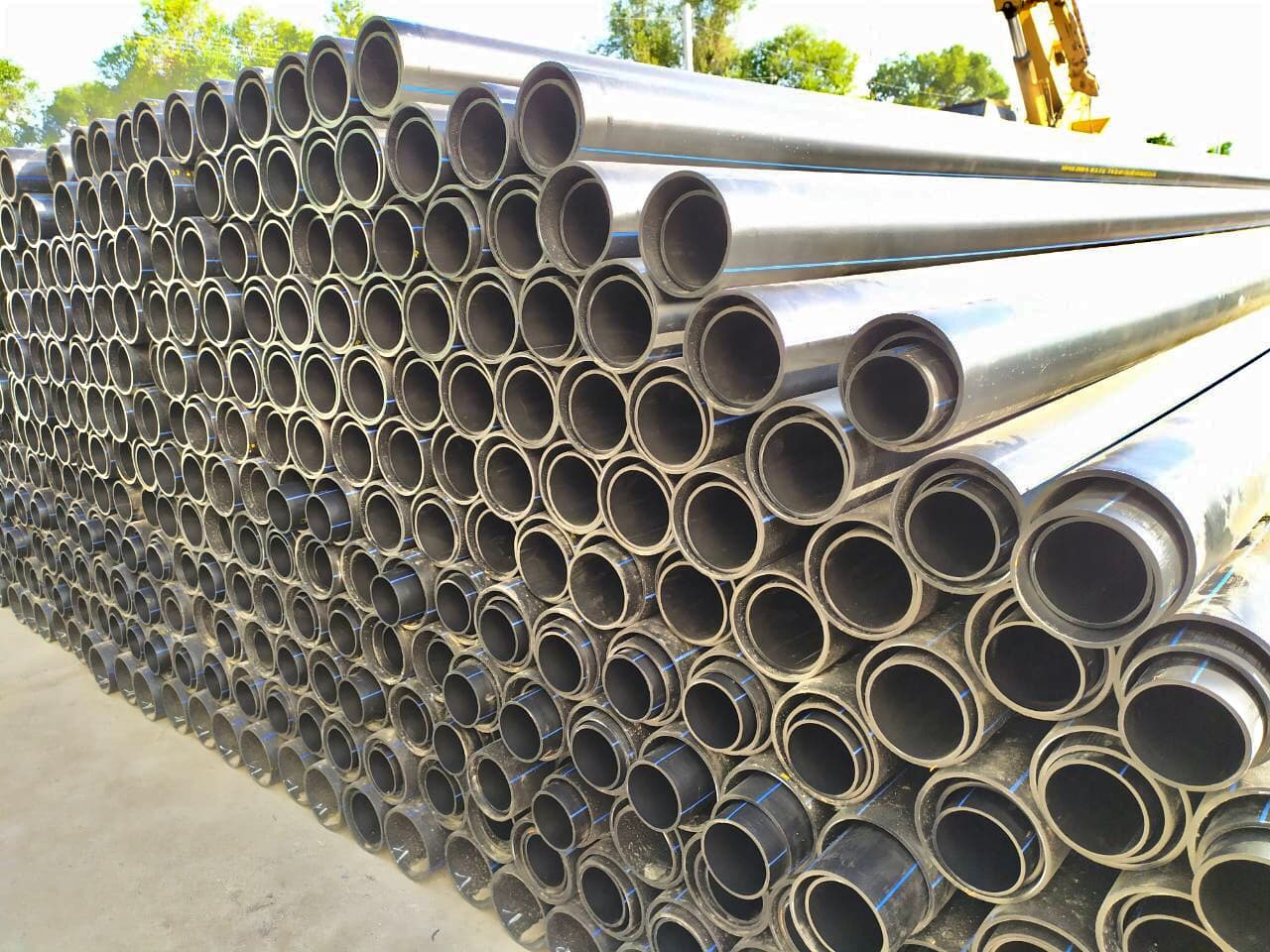
A cast iron sewer pipe is connected to a plastic one through the socket: the plain end of the plastic pipe goes into the cast iron socket via a rubber transition gasket. If there is no socket, fit a compression transition coupling. Cut cast iron carefully without impact, clean the socket of rust and old oakum, lubricate the joint with silicone grease or soapy water, and lay horizontal runs with a slope.
What methods are used to connect cast iron to plastic?
- Rubber transition gasket: fits into the cast iron socket and receives the plain end of the plastic pipe. The most common option for stacks and outlets where the socket has survived.
- Compression transition coupling: tightened with a clamp or screws over the plain ends of the cast iron and plastic pipes. Used when the cast iron has been cut to a clean edge.
- Plastic socket directly onto a cast iron end: not recommended. Outside diameters of cast iron and plastic pipes of the same nominal size often differ, especially at 50 mm, and the sealing ring does not seat tightly.
Always choose the adapter to match the diameters of both pipes.
What do you need and how do you prepare the cast iron pipe?
First decide which section to replace. A stack and the branch from a toilet are usually 110 mm, while connections from a sink, bath and washing machine are 50 mm. In an apartment building the stack is shared by all flats, so agree the work with the management company and warn your neighbours.
Tools and parts:
- an angle grinder with a metal cutting disc, or a chain pipe cutter;
- safety glasses, gloves and a respirator;
- a wooden or rubber mallet instead of a hammer;
- a transition gasket or coupling of the right diameter;
- plastic pipe and fittings with sealing rings;
- silicone grease or soapy water;
- clamps to secure the pipes.
How do you make the connection step by step?
- Make sure nobody upstream is draining water, and isolate the section.
- Cut out the damaged cast iron. It is easier to cut right back to the socket: cut straight, all the way round, without rushing.
- Clean the socket of rust, old oakum and cement and remove burrs.
- Lubricate the gasket and push it into the socket as far as it goes.
- Cut the plastic pipe to length and chamfer the outer edge so the sealing ring does not roll over.
- Lubricate the plain end of the plastic and push it fully into the gasket, then pull it back 5–10 mm to allow for expansion. The exact gap is given by the pipe manufacturer.
- Secure the pipe with clamps and check the slope and watertightness.
How do you avoid damaging the cast iron and test for leaks?
Cast iron is brittle: do not strike it with a hammer or bend it, as the socket may split on impact. If the socket cracks, cut the pipe back to a sound section. Cut with glasses and a respirator: dust from cast iron and rust is harmful to the lungs.
Horizontal runs are laid with a slope towards the outlet: usually about 2 cm per metre for 110 mm and up to 3 cm per metre for 50 mm; confirm exact values against the design and standards. The socket faces against the flow.
To test, discharge a large volume of water, for example a full bath, and check every joint with a dry tissue. Check again after a day: drops on the tissue mean the joint has to be redone.
When is it better to replace the whole stack?
If the cast iron is rusted along its whole length, has pinholes, and old oakum is seeping from the sockets, a spot repair will not last long: the neighbouring section will fail next. In that case the whole stack is replaced, with the work arranged through the management company.
Allow for noise: plastic transmits the sound of falling water more loudly than cast iron. For apartment buildings, sound-absorbing pipes are chosen, or the stack is wrapped in acoustic insulation. For the outdoor sewer of a private house, socketed plastic pipes with a sealing ring are usually used, and the transition to a cast iron outlet is made through a gasket. If the stack is embedded in the floor slab, do not break out concrete without approval: first ask the management company where the joint runs and what may be opened up.
Frequently asked questions
- Can the joint be sealed with cement or sealant?
- Cement and sealant are only a temporary measure: cement cracks under vibration and sealant eventually peels away. A reliable joint is held by the rubber ring of the socket or by a transition gasket.
- Can cast iron be connected to plastic without a gasket?
- It is not advisable. The difference in outside diameters leaves a gap that is packed with oakum and cement, and such a joint sooner or later leaks. A gasket is inexpensive and solves the problem at once.
- Can I do this myself?
- In a private house, with careful work, yes. In an apartment building the stack is shared, replacement is agreed with the management company, and it is usually carried out by a plumber with the stack shut off for all residents.
- What plastic pipes are suitable to replace cast iron?
- For internal sewers, polypropylene or PVC pipes with a socket and ring are usually chosen. For outdoor sewers, PVC, polypropylene or polyethylene, including double-wall corrugated pipes. The adapter is chosen to match the diameters of both materials.