GOST 18599-2001: Requirements for Polyethylene Pressure Pipes
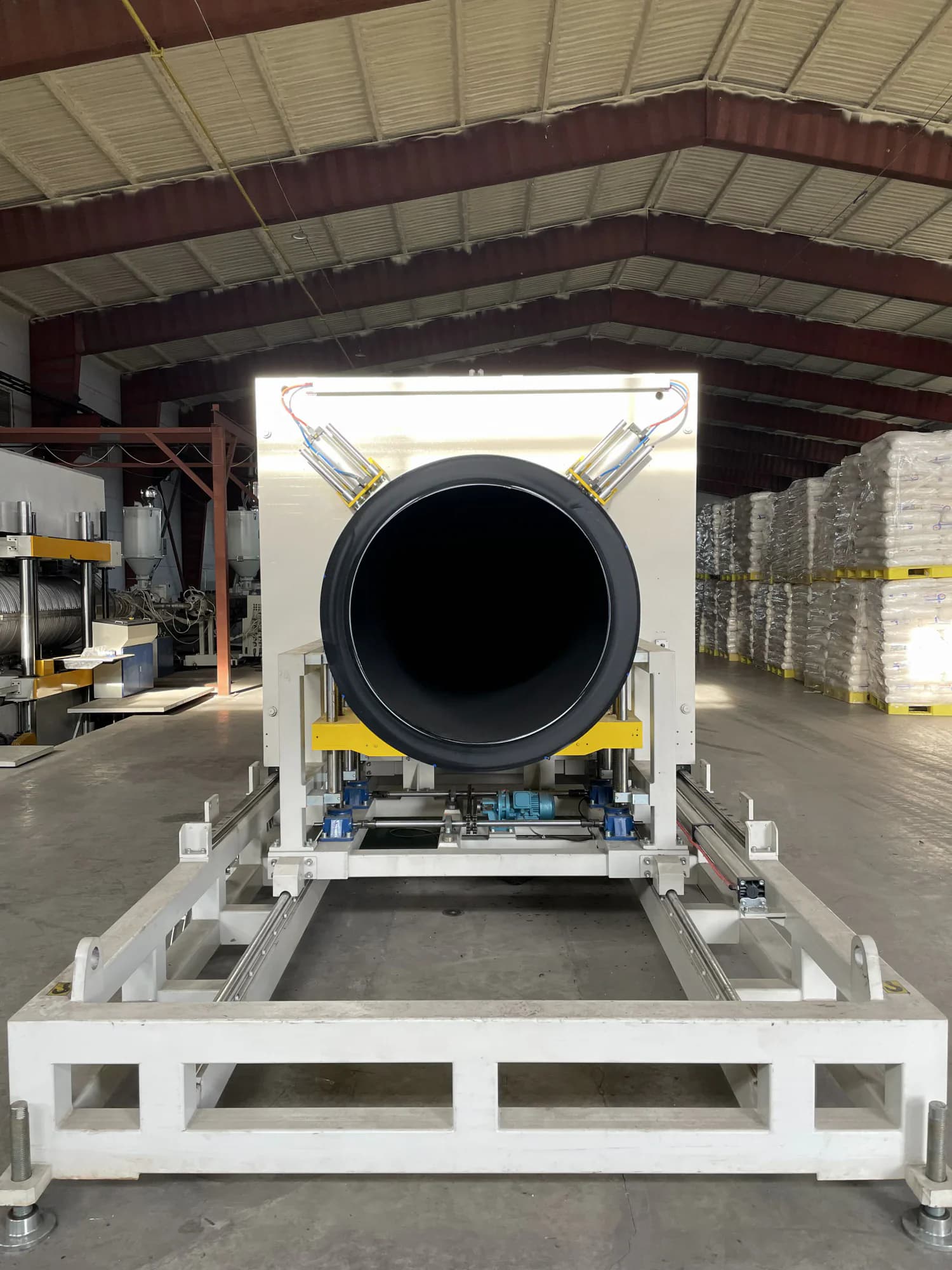
GOST 18599-2001 is the standard for polyethylene pressure pipes for drinking and process water supply. It sets the material and its grades (PE80, PE100), dimensions and the SDR series, nominal pressure, marking, test methods and acceptance rules. The design service life of such pipes is 50 years. Gas pipes are not covered: they fall under ST RK GOST R 50838-2011.
Which pipes and media does GOST 18599-2001 apply to?
The standard covers polyethylene pressure pipes for pipelines carrying drinking or process water: water mains and street lines, house connections, irrigation and industrial networks.
It does not cover gas pipes or non-pressure sewers, which have their own documents. Its nominal pressure refers to a water temperature of +20 °C; for warmer water the allowable pressure is reduced using the coefficients given in the standard itself, and above +40 °C pressure PE pipes are not used for water.
These pipes are supplied in coils (small diameters, usually 50–200 m) or as straight lengths of 6–12 m.
Which materials does the standard allow?
The pipes are made from polyethylene whose strength class is given by its MRS value. The standard names grades PE32, PE63, PE80 and PE100; in practice today mainly PE80 and PE100 are used, and PE100 (MRS 10 MPa) gives a thinner, lighter wall for the same pressure.
For outdoor networks, polyethylene stabilised with carbon black is used: a black pipe tolerates sunlight and suits open laying. For drinking water, the material and pipe must have sanitary and hygiene approval. Polyethylene does not corrode or build up corrosion deposits, so the bore stays clear for the whole service life.
What dimensions and pressure classes does the standard set?
Pipes are made in an SDR series, the ratio of outer diameter to wall thickness. For each SDR, the outer diameters and walls are given in the standard's tables, together with permitted tolerances.
The pressure class follows from the SDR and the material grade. For PE100 this means SDR17 is PN10 (about 10 atm), SDR13.6 is PN12.5 and SDR11 is PN16 (about 16 atm). The lower the SDR, the thicker the wall and the higher the pressure. For a water main, PE100 SDR17 to GOST 18599-2001 is suitable — we manufacture such pipes; at high pressure choose SDR13.6 or SDR11.
What must the marking show?
Marking is applied to the pipe itself and lets you check it without paperwork. It usually shows:
- the manufacturer or its trademark;
- the designation: material, SDR, outer diameter and wall thickness, for example 110×6.6;
- the purpose: drinking or process water;
- the standard designation;
- the date of manufacture.
Pipes for drinking water are identified by a blue stripe. For the full list and exact format of the marking, see the text of the standard. If the marking is worn off, unreadable or does not match the documents, it is better not to use the pipe.
Which tests and documents confirm quality?
The manufacturer must check pipes under the acceptance rules: appearance, dimensions, resistance to constant internal pressure, melt flow rate and thermal stability are controlled. The exact list of indicators, sample size and test frequency are set by the standard.
A quality passport is issued for each batch, and a certificate confirms conformity with the standard. A buyer cannot repeat long-term pressure tests in the field, so check what is available: the marking, the dimensions with a calliper, and whether the documents and the pipes match.
What should I check when buying a pipe to GOST 18599-2001?
The check takes a few minutes:
- Find the marking on the pipe: material, SDR, diameter with wall thickness and the standard designation.
- For drinking water, make sure there is a blue stripe and a purpose note.
- Compare the data on the pipe with the quality passport and the batch certificate.
- Measure the outer diameter and wall at the end with a calliper and compare with the standard's table for your SDR.
- Inspect the surface: it should be smooth, without cracks, bubbles or deep scratches, and the end cut square.
If anything does not match, it is better to refuse the batch.
Frequently asked questions
- How does GOST 18599-2001 differ from the standard for gas pipes?
- Gas pipes are made to ST RK GOST R 50838-2011: they are black with yellow marking, SDR11 and thicker, and are laid underground. A water pipe must not be used in place of a gas pipe.
- Can a pipe made to GOST 18599-2001 be used for sewage?
- For pressure lines, for example from a sewage pump, yes. For gravity sewers, non-pressure pipes (PVC, PP, corrugated double-wall) are normally used: they are designed for different loads and cost less.
- Is a separate document needed for drinking-water pipes?
- Yes. Besides the quality passport and the certificate of conformity, ask the supplier for a sanitary and hygiene approval for the pipe and material: it shows the pipe is approved for contact with drinking water.
- What service life is stated, and under what conditions?
- The design service life is 50 years, provided the pipe works within its nominal pressure and allowable water temperature (up to +40 °C, with the pressure reduced) and is installed correctly.