How to Clear Plastic Pipes: Plunger, Snake and Flushing
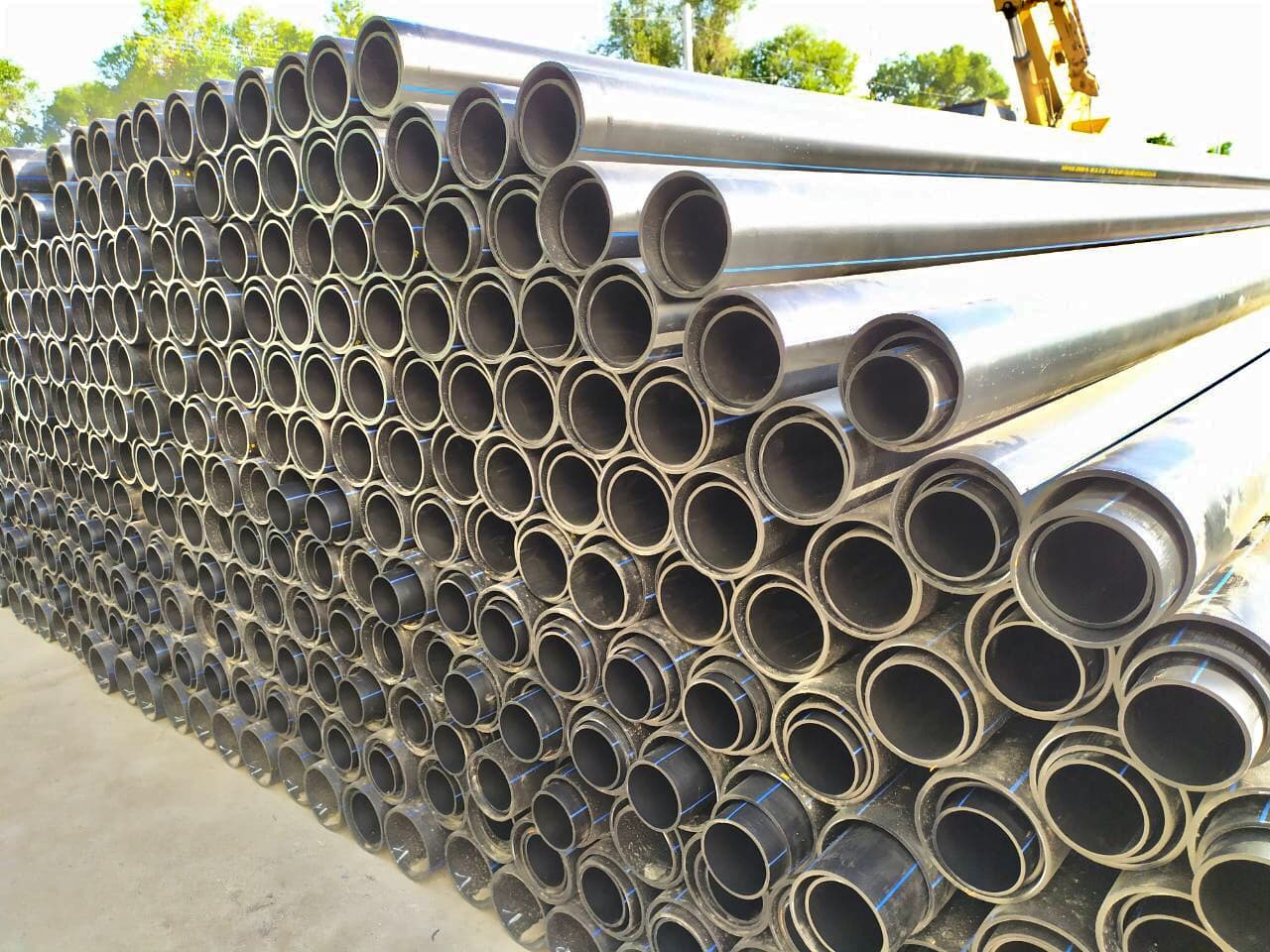
Plastic pipes are cleared in order of escalation: first a plunger or brush, then a plumbing snake, and only after that chemicals or hydrodynamic flushing. Mechanical methods do not harm plastic if used gently, nor do dedicated gel cleaners. Do not pour concentrated acids or alkalis, do not use boiling water in PVC and PP pipes, and do not force the snake around bends. If the blockage keeps coming back, check the slope of the pipe.
Why do plastic pipes get blocked?
Plastic does not rust or scale up with lime the way steel or cast iron does, but blockages still happen in it. The usual causes are:
- foreign objects getting into the pipe;
- grease, hair and soap deposits on the walls;
- insufficient slope or a sagging pipe: water stands and sediment settles;
- installation mistakes: sharp bends and steps at joints where debris catches.
Signs of a blockage: water drains slowly, gurgles, there is a smell, and draining one fixture makes water rise in another. If water drains slowly everywhere at once, the blockage is in the common riser or outlet.
The cause decides the method: a blockage near the drain is usually cleared with a plunger, deeper in the system a snake is needed, and with repeated blockages you should look for a slope defect.
How do I clear a pipe with a plunger and a brush?
This method suits blockages near the drain and the trap:
- Block the overflow of the sink or bath with a wet cloth so the pressure goes into the blockage, not the overflow.
- Add water so the plunger cup is under water.
- Press the plunger firmly over the drain and make 15–20 sharp up-and-down strokes without lifting it off.
- Pull the plunger off sharply and check whether the water drains.
- If not, remove the trap, clean hair and grease out of it with a brush and refit it.
- Flush the drain with warm water.
After clearing, water should drain without delay.
How do I use a plumbing snake on plastic?
A snake is the most effective mechanical method, but on plastic it must be used gently:
- Use a snake with a flexible spring and a blunt tip, without sharp hooks.
- Feed it into the drain or access port and advance it by turning the handle in one direction.
- Do not push at bends: the snake must pass smoothly, not scrape the wall.
- On reaching the blockage, break through or hook it by turning, and withdraw while turning in the same direction.
- Flush the pipe with warm water.
A stiff steel coil, jerking and force scratch the wall and shift joints, especially on socket joints in PVC and PP.
Which cleaning products can I use?
Gel and liquid cleaners marked as safe for plastic pipes are suitable: use them as directed, wait the stated time and rinse with plenty of water. Work with gloves and goggles, ventilate the room and do not mix different products.
It is best to avoid concentrated acids and alkalis, for example caustic soda: they attack seals and can heat the pipe wall. A mix of baking soda and vinegar is a mild measure for grease deposits near the drain, but it will not break a dense blockage.
Do not pour boiling water into PVC and PP drainage pipes: PVC softens when strongly heated, and rubber seals can shift. Warm water at 50–60 °C with detergent is safer.
When is hydrodynamic flushing needed, and how do I prevent blockages?
If the blockage is in a riser or far from the drains, a snake may not reach it, and it will not remove grease and scale along the whole length. In that case hydrodynamic flushing is used: a special hose with a nozzle delivers a jet of water under pressure and cleans the walls. It is done by service companies, and it is safe for plastic when the pressure is chosen correctly.
To keep blockages from returning:
- fit strainers on drains and do not throw rubbish into the toilet;
- do not pour away grease, tea leaves or construction mixes;
- every 2–3 months flush the drain with warm water and detergent;
- keep the slope when installing and leave access ports reachable.
PE pressure water mains, such as our water pipes, with their smooth walls and no corrosion, rarely block.
Frequently asked questions
- Can plastic pipes be cleaned with acid?
- With concentrated acid or alkali, no: they damage seals and joints and can heat the pipe wall. Use only products marked as suitable for plastic pipes, and strictly follow the instructions.
- How often should I do preventive flushing?
- As a guide: every 2–3 months for a kitchen drain where grease builds up, and less often for a bathroom. Outdoor lines and access ports are inspected once a year, more often if blockages have already occurred.
- What should I do if the snake gets stuck in the pipe?
- Do not pull it with a jerk. Turn the snake the other way, tug it gently and pour in warm water. If it does not come free, call a plumber: force can damage the pipe or a joint.
- How do I clear a polyethylene pressure water main?
- It is flushed with a flow of water through a drain valve at the end of the line, with the water opened at full pressure. A snake is not used in a pressure pipe: blockages there are rare, and mechanical force would only scratch the wall.