How to Join Gas Pipes: Methods and Who Is Allowed To
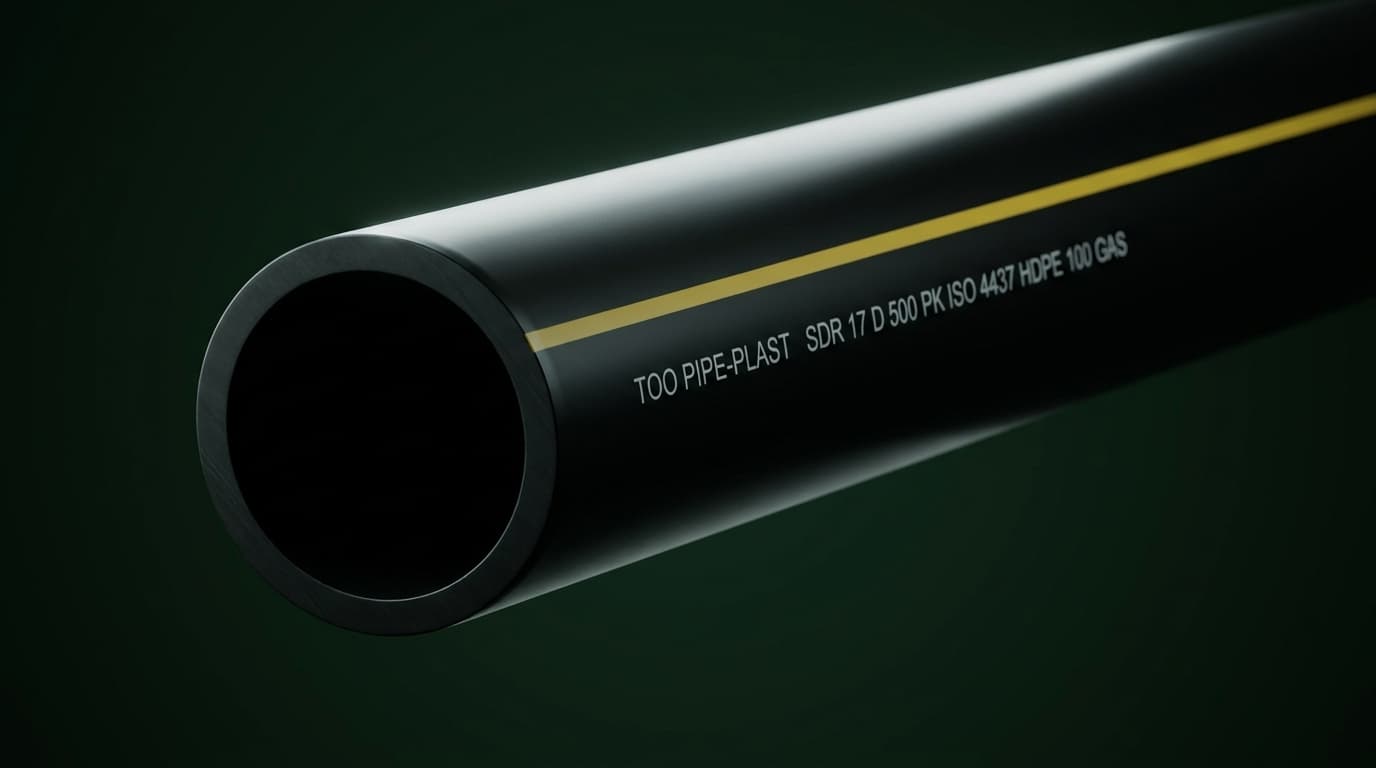
Gas pipes are joined by welding or factory-made permanent transitions, and the work is done by an organisation licensed for gas work, not by the homeowner. Polyethylene gas pipes are welded with electrofusion couplings or by heated-tool butt fusion; steel pipes are welded, and in internal systems threaded joints are also permitted by design. The polyethylene-to-steel transition is permanent. Gas pipes must never be joined by yourself.
Who is allowed to join gas pipes?
Installation, tapping in and joining of gas pipes is carried out by a specialised organisation licensed for gas work, to a design agreed with the gas supply company. The welder must be certified for the pipe type and welding method, and the equipment must be in good order and checked. After installation the gas pipeline goes through acceptance: a check of the documents, inspection of the joints and a leak-tightness test. Only after that is gas supplied.
A homeowner must not join, move or extend gas pipes personally, even downstream of the meter. A mistake in a joint means a gas leak, a fire or an explosion. What follows describes how the joints are made so that you understand the contractor's work, not as instructions for doing it yourself.
How are polyethylene gas pipes joined?
Polyethylene gas pipes are laid underground and are joined only by welding.
- Electrofusion: a coupling with a built-in heating coil is slipped over the pipe ends and connected to a machine that supplies current according to the coupling's parameters. Suitable for any diameter, repair inserts and cramped trenches.
- Heated-tool butt fusion: the pipe ends are faced, heated on a heating element, pressed firmly together and held until cooled. Used from 63 mm upwards, on mains.
- Pipes of compatible materials are welded, and for butt fusion also with the same diameter and SDR.
- A thread is not cut into PE pipe, and the compression fittings used on water lines are normally not used on underground gas pipelines.
For underground gas pipelines we make PE100 pipes to ST RK GOST R 50838-2011 with a yellow marking, SDR11 and thicker. Check the availability of the diameter you need on WhatsApp +7 707 755 54 07.
How are steel gas pipes joined and where is a PE-to-steel transition needed?
Inside buildings and above ground, polyethylene is not allowed for gas: steel or copper pipes, or certified systems specified in the design, are used there. Steel gas pipes are joined by welding, and in internal systems threaded joints are also permitted by design. Appliances are connected through certified connectors.
Between the underground PE section and a steel section a permanent polyethylene-to-steel transition is fitted. It is a factory-made element: the polyethylene end is welded to the PE pipe, the steel end to steel, and it cannot be taken apart. Such a transition is installed at the service entry, where the pipe comes out of the ground.
How is the quality of gas pipeline joints checked?
Inspection takes place in several stages. Welded joints are examined: the evenness of the bead, absence of edge misalignment and lack of fusion are checked. For critical joints, special inspection methods and testing of control samples are used. The key stage is testing the finished gas pipeline for strength and leak-tightness with air pressure: the value and hold time are set by the design and standards. The results are recorded in a report.
Soap solution is applied to joints to locate a leak, but it does not replace testing.
What must you not do yourself?
- Replace, move or extend sections of gas pipe, or run new branches to appliances.
- Join gas pipes with couplings and fittings bought from a shop: only products documented for gas are allowed.
- Use blue-marked polyethylene water pipes for gas: gas pipes are identified by yellow marking under ST RK GOST R 50838-2011.
- Conceal gas pipeline joints in a wall or screed: as a general rule they must remain accessible for inspection.
If you smell gas, do not switch on lights or electrical appliances, do not use a flame, open the windows, close the valve, leave the building and call the emergency gas service from a safe place (in Kazakhstan, 104 or 112).
Frequently asked questions
- Can a gas pipe be joined with a thread?
- For steel pipes inside a building a threaded joint is permitted by design, but it is made by a licensed organisation. A thread is not cut on a polyethylene gas pipe, so PE gas pipelines are not joined with threads.
- How does a permanent transition differ from an ordinary fitting?
- An ordinary fitting can be unscrewed. A permanent polyethylene-to-steel transition is a single factory-made element, welded on both sides and not taken apart, which makes the joint more reliable: it has no thread or seals that could loosen over time.
- Who can replace the flexible connector to a gas stove?
- Work on gas equipment, including the connector, is carried out by a specialised organisation. In an apartment building you usually submit a request to the gas service or the maintenance company. Do not replace the connector yourself, even like for like: after replacement a leak-tightness check is needed.
- How can you tell whether a gas pipeline was installed correctly?
- A correctly installed gas pipeline has a design, as-built documentation, a leak-tightness test report and an acceptance report from the gas service. If the contractor cannot show them, gas must not be connected.