Can Plastic (Polypropylene) Pipes Be Used for Gas?
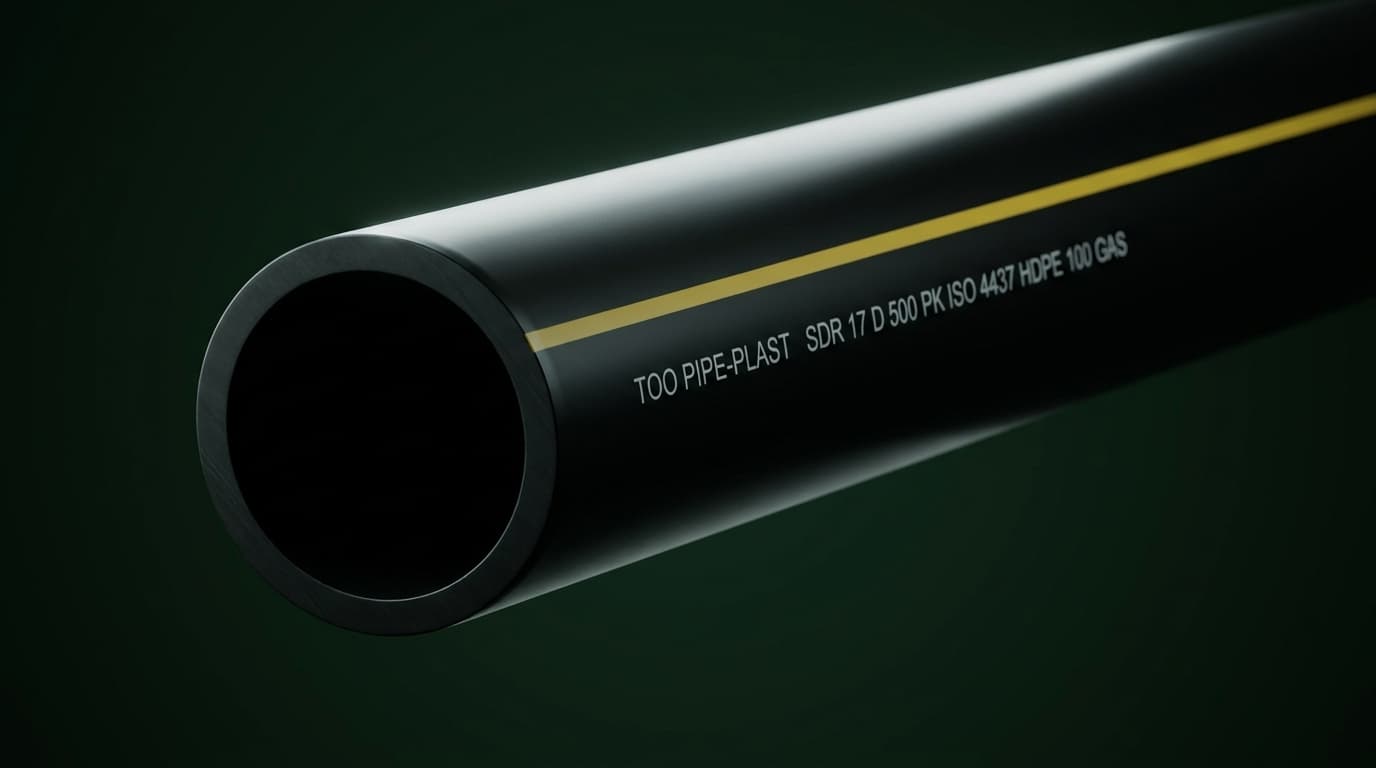
No, polypropylene pipes are not used for gas: it is a material for water and heating. The only plastic permitted for gas mains is polyethylene — PE100 pipes to ST RK GOST R 50838-2011 with yellow marking, SDR11 or thicker. They are laid underground. Inside buildings and above ground, polyethylene is not permitted for gas — steel or copper pipes are installed there, as the design specifies.
Why can't polypropylene pipes be used for gas?
Polypropylene (PP, PPR) is a rigid material for indoor cold and hot water lines and heating. It is designed for water, not combustible gas: gas pipelines have their own standard for pipes and joints, and polypropylene is not covered by it.
PP joints are made by socket fusion (diffusion welding) with fittings that are not tested or accepted as gas fittings. A gas leak indoors means a risk of explosion and poisoning, so only materials and joints certified specifically for gas are allowed.
The same applies to other water pipes: polypropylene, metal-plastic and PVC are unsuitable for gas, even if the diameter and pressure appear to fit.
Which plastic pipes are permitted for gas?
Only polyethylene pipes made specifically for gas supply. These are PE100 pipes to ST RK GOST R 50838-2011: black, with yellow marking or a yellow outer layer, and a wall no thinner than SDR11 (SDR11 or thicker). SDR is the ratio of outside diameter to wall thickness: the lower it is, the thicker the wall and the higher the permissible pressure.
A water supply PE pipe with a blue stripe to GOST 18599-2001 is not a gas pipe, even if it is made of the same PE100: gas pipes have their own requirements for raw material, wall, marking and acceptance. The easiest way to tell them apart is the stripe colour and the printing on the pipe.
Where can polyethylene gas pipes be laid?
Polyethylene gas pipes are laid underground: these are underground gas lines — distribution networks and service lines to buildings. Polyethylene does not corrode and is flexible, and in the ground it is protected from ultraviolet light and mechanical damage.
Laying polyethylene gas pipes inside buildings or above ground is not permitted. That is why the section from the gas main to the house is made of polyethylene, while the piping inside the house is made of steel or copper (or certified systems provided for in the design). At the entry point, polyethylene is joined to steel with a permanent polyethylene-to-steel transition joint. The burial depth and route are set by the design.
How does a gas polyethylene pipe differ from a water pipe?
The differences are built into the standard and checked at acceptance.
- Standard: gas pipe — ST RK GOST R 50838-2011; water pipe — GOST 18599-2001.
- Marking: gas pipe — black with a yellow stripe or outer layer; water pipe — with a blue stripe.
- Wall: gas pipes are made in SDR11 and thicker; water pipes in SDR17 (about 10 atm), SDR13.6 (about 12.5 atm) or SDR11 (about 16 atm), depending on the required pressure.
- Acceptance: an installed gas line is leak-tested and accepted by the gas service.
That is why a water pipe cannot replace a gas pipe just because the diameter matches.
Who can design and install a gas pipeline?
Only the gas service or a company licensed for the design and installation of gas equipment. Polyethylene gas lines are joined by welding — electrofusion or heated-tool butt welding — using certified equipment. Threads are not cut on PE pipe, and the compression fittings used for water are, as a rule, not used for gas.
After installation the line is leak-tested and accepted by the gas service. Unauthorised tie-ins, relocation or a "temporary connection" are dangerous and prohibited. We manufacture PE100 gas pipes to ST RK GOST R 50838-2011 for design and installation companies — please confirm the availability of the diameter you need on WhatsApp +7 707 755 54 07.
Frequently asked questions
- Can I lay a polyethylene gas pipe on my plot myself?
- No. Even the underground section is designed and installed by a licensed company and accepted by the gas service. A gas line laid without authorisation will not be connected to the network, and a mistake in welding or burial depth risks a gas leak.
- Can metal-plastic pipes be used for gas?
- Ordinary metal-plastic pipes for water and heating cannot. For gas, only materials and systems certified for gas and provided for in the design are allowed; the decision is made by the design company, not the buyer.
- Can a polyethylene gas pipe be brought above ground?
- No, above-ground laying of PE pipes for gas is not permitted. Above ground the gas line is made of steel, and the polyethylene-to-steel transition is a permanent joint made where the design specifies. The joint type and the protection of the transition point are also set by the design.
- How can I tell that a pipe is meant for gas?
- By its marking: a black pipe with a yellow stripe or outer layer, printed with ST RK GOST R 50838-2011, PE100 and the SDR. A water PE pipe has a blue stripe and GOST 18599-2001. If there is no printing, the pipe must not be used for gas.