Polyethylene vs Polypropylene Pipes: What Is the Difference?
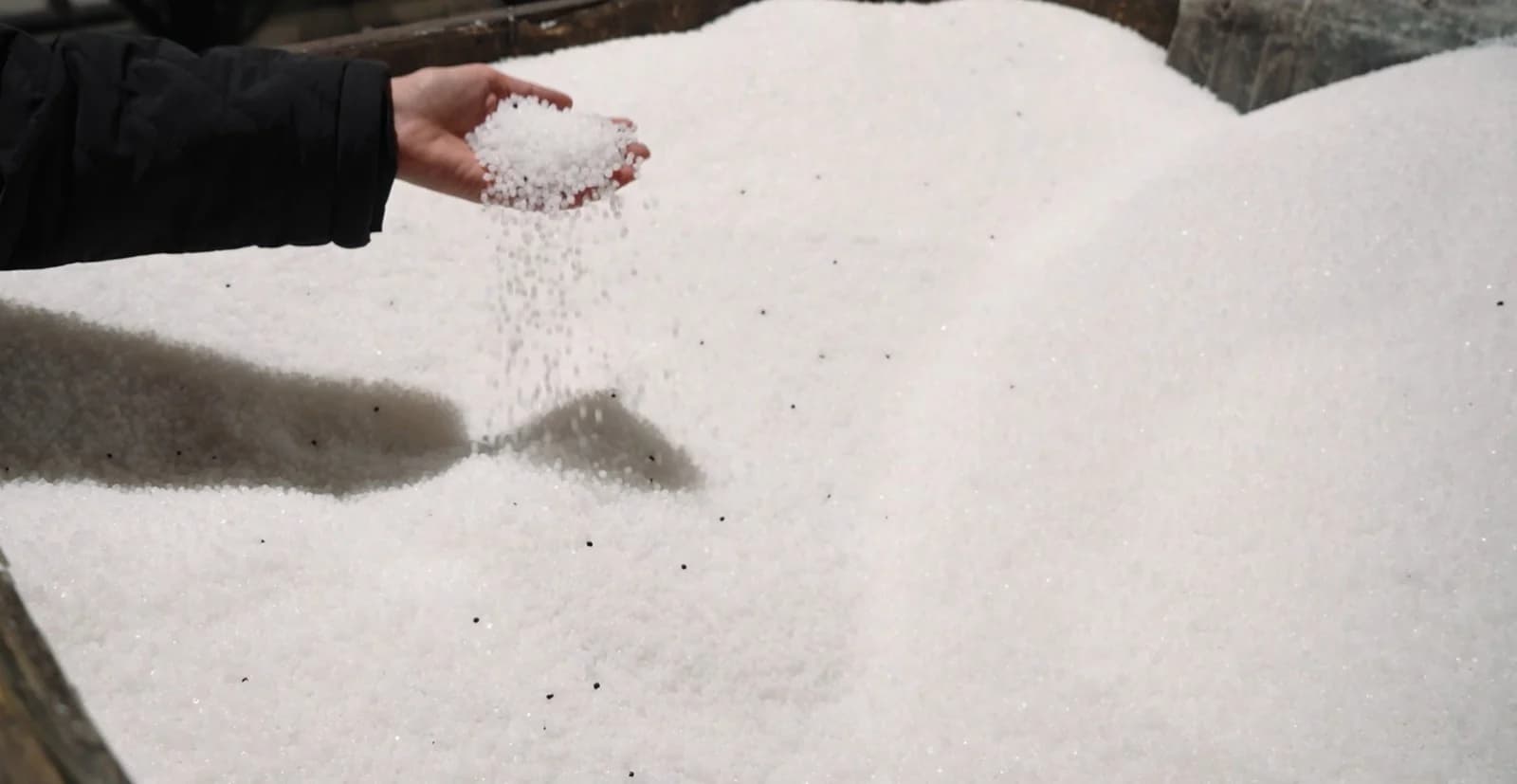
Polyethylene pipes (HDPE, PE100) are flexible, rated for cold water up to +40 °C and for gas, joined by welding or fittings, and suited to laying in the ground. Polypropylene pipes (PP-R) are rigid, withstand hot water and heating when reinforced, and are joined by socket fusion, so they are used inside buildings. Put simply, HDPE is for the service line and outdoor networks, and PP is for distribution inside the house.
What are HDPE and PP made from, and what does "low pressure" mean?
Polyethylene is made from ethylene and polypropylene from propylene. They are different polymers with different properties, and they cannot be welded into one line.
The Russian abbreviation PND (ПНД) stands for "low-pressure polyethylene", or HDPE. The word pressure refers to how the material is made, at low pressure in the reactor, not to the pipe's working pressure. An HDPE water pipe withstands up to 16 atmospheres (class PN16 for PE100). Polypropylene water pipes are marked PP-R: a random copolymer of propylene with better resistance to heat.
How do they differ in properties?
- Temperature: PE100 is rated for cold water up to +40 °C, while reinforced PP handles hot water and heating within the limits in its data sheet.
- Flexibility: polyethylene is flexible, can be bent and is supplied in coils of up to 200 m; polypropylene is rigid and comes in straight lengths.
- Cold: polyethylene stays elastic and tolerates a single freezing of the water, while polypropylene is at greater risk of damage.
- Ultraviolet: black polyethylene with carbon black resists sunlight; polypropylene needs protection outdoors.
- Corrosion and chemicals: neither material rusts and both resist most household chemicals.
- Service life: for PE100 with water at +20 °C it is 50 years; for polypropylene it depends on temperature.
Where is polyethylene used, and where polypropylene?
Polyethylene is used where the pipe lies in the ground or outdoors and a long route should have as few joints as possible: the water service into a house, an outdoor water main, irrigation, supply from a well, underground gas pipelines (gas pipes to ST RK GOST R 50838-2011) and pressure sewers.
Polypropylene is chosen for internal distribution: cold and hot water, heating (reinforced pipes) and indoor drainage, where rigidity and a neat look on a wall matter. Polypropylene does not replace polyethylene for water in the ground, and polyethylene does not replace polypropylene for hot water and radiators. For heating and underfloor heating there are other materials as well, such as PE-X.
How are polyethylene and polypropylene pipes joined?
Polyethylene pipes are joined in three ways: with compression fittings for small diameters and household work, by butt fusion with a heated tool (from 63 mm up, on mains) and by electrofusion, which suits any diameter and gas. No thread is cut on a polyethylene pipe.
Polypropylene pipes are joined by socket fusion (heat welding) with a welding iron: the end of the pipe and the coupling are heated together and pushed into each other. An inexpensive machine is enough for small diameters. Polyethylene and polypropylene cannot be welded to each other, so the transition between them is made with special fittings: a compression or threaded joint.
What should you choose for a private house and plot?
- Make the water service into the house, the outdoor water main, irrigation and the well line from PE100 polyethylene: a flexible 50–200 m coil is laid without joints.
- For water supply to GOST 18599-2001, choose the pressure class: SDR17 (about 10 atm), SDR13.6 or SDR11 (up to 16 atm). These are pipes we produce.
- Make the internal hot and cold water distribution from polypropylene (reinforced for hot water) or other materials intended for indoor systems.
- For heating and underfloor heating, look to reinforced polypropylene, PE-X or multilayer pipe, not HDPE.
- Make the transition between polyethylene and polypropylene only with a special fitting.
Frequently asked questions
- Can a polyethylene pipe be welded to a polypropylene one?
- No. Polyethylene and polypropylene are different polymers and do not form a common weld when heated. Join them through a transition fitting: a compression or threaded one, installed where the service enters the house.
- Which is stronger: HDPE or polypropylene?
- It depends on the job. Polyethylene is more impact-resistant and copes better with cold and ground movement. Polypropylene is stiffer and holds its shape better when hot. A pipe's strength is set not only by the material but also by wall thickness: the SDR or PN class.
- Is HDPE the same in pipes as in bags or tableware?
- The polymer is the same but the grades differ. Pressure pipes use special grades with high long-term strength, such as PE100, and drinking water calls for virgin raw material. Film and containers are made from other grades that do not suit pipe.
- Which pipe is more economical for a long run?
- For a long outdoor run, polyethylene in a coil is better: fewer joints, faster installation, and the pipe copes with ground settlement. Polypropylene is convenient on short indoor sections with many turns and bends, where a rigid line along a wall is needed.