Can Polyethylene Pipes Be Painted, and With What
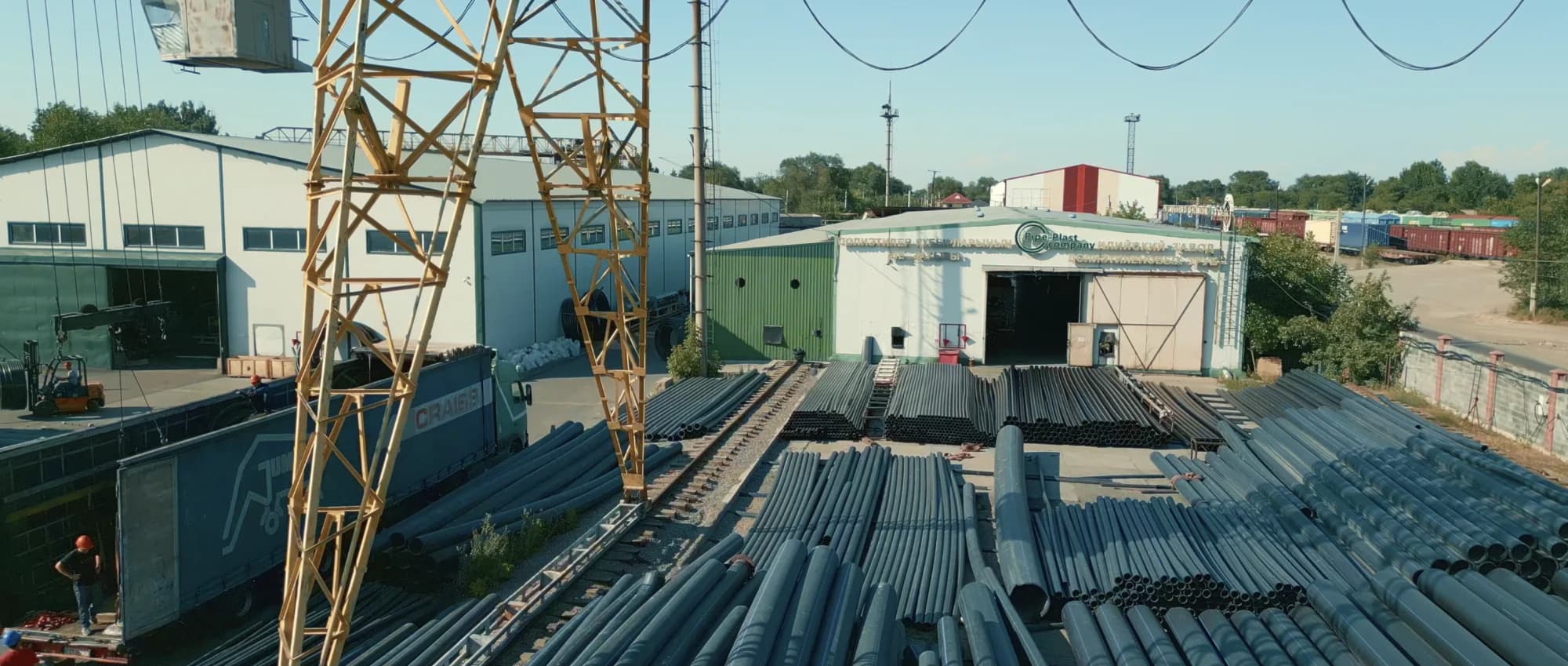
Polyethylene pipes can be painted, but paint adheres to them poorly: polyethylene is smooth, non-polar and gives no grip. Wash and degrease the surface, key it lightly and prime it with a polyolefin primer, then apply acrylic or polyurethane paint in two thin coats. A black pipe outdoors does not need paint for sun protection: the carbon black already protects it from ultraviolet. For decoration and protection a sleeve or box is more convenient.
Why does paint adhere poorly to polyethylene?
Polyethylene is a non-polar material with very low surface energy: a drop of paint beads up on it as on wax, and the dried film peels off at the slightest knock or scratch. It is not that paint "dissolves" the pipe: ordinary paints do not attack polyethylene. There is simply no adhesion.
That is why painting without preparation and a special primer is usually short-lived. There is a second reason: with temperature changes the pipe lengthens and contracts, while a rigid coating cracks and lifts at the edges. It is better to choose elastic paints. Paint only when it is genuinely needed.
How do you prepare the pipe and what do you paint it with?
- First try the primer and paint system on an offcut of pipe: after a day, try to lift the film with a fingernail. If it comes away, the system is not suitable.
- Wash the pipe with warm water and detergent and dry it.
- Degrease the surface with a cleaner recommended by the paint manufacturer and let it evaporate.
- Key the surface lightly with a fine abrasive sponge without cutting into the wall: on a pressure pipe, scratches deeper than about 10% of the wall thickness are unacceptable.
- Apply a thin coat of adhesion primer for polyolefins (plastics such as PE and PP).
- Cover with paint for plastic, acrylic or polyurethane, in two thin coats, letting it dry between them.
- Let the coating dry completely before touching the pipe or running water through it.
Does a black polyethylene pipe need painting to protect it from the sun?
No. The black colour of PE pressure pipes comes from carbon black: it absorbs ultraviolet and protects the polyethylene from ageing, so a black pipe works fine in the open air. It does not need paint as UV protection, and a coating that has peeled only spoils the appearance.
A pipe without carbon black, for example a light-coloured one, ages faster in direct sun. For open laying it is better to choose black. The main threat to a PE pipe outdoors is not the lack of paint but repeated freezing of the water inside. The exception is decorative painting of a visible section: it is done for looks, not for the pipe's service life.
What is better than paint: marking, a sleeve or a box?
If the aim is to show a pipe's purpose, improve its appearance or protect it, paint is not the only way.
- Marking tape or coloured clamps: to indicate the purpose of a line. They do not peel like paint.
- Insulation in a jacket, or a corrugated protective sleeve: protects against mechanical damage and temperature swings and hides the pipe.
- A decorative box or screen in the wall colour: for visible runs indoors.
- A pipe in the right version straight from the factory: with coloured marking or sheath, no painting needed.
If the pipe needs protection against mechanical damage in the ground, there are pipes with a protective polypropylene sheath: we make them.
Which pipes and places should not be painted?
Polyethylene gas pipes are not painted: the yellow marking is part of their identification, and it is how a gas main is recognised along its route. Do not paint over the marking on water pipes either: the blue stripe and the text giving diameter, SDR, material and standard are needed at acceptance and during repairs. If painting is unavoidable, leave the text exposed or repeat the marking on a tape.
Paint only the outside, at an air temperature above +5 °C and on a dry surface: condensation on a cold pipe prevents adhesion. Work in a ventilated place and follow the paint manufacturer's instructions. A pipe with a damaged wall is not painted: replace the section first.
Frequently asked questions
- What do you paint an HDPE pipe with indoors?
- Use an adhesion primer for polyolefins and paint for plastic, acrylic or polyurethane. If appearance matters more than paint, cover the pipe with a box or screen: it is more reliable and needs no surface preparation.
- Can polypropylene pipes be painted?
- Polypropylene is also a polyolefin and has the same adhesion problem. The preparation is similar: washing, degreasing, keying and a primer for plastic. Always make a trial on an offcut.
- Can a pipe be painted while water is running through it?
- On the outside, yes, if the surface is dry and warm. A cold pipe with condensation will not hold paint, so it is better to do the work with the water off and after the pipe has warmed to air temperature.
- Does paint affect the service life of a polyethylene pipe?
- Usually not. The service life of a PE pressure pipe, up to 50 years, is determined by the material, pressure and operating conditions. Paint is for appearance and marking, not for extending service life.