Can You Leave Water in an HDPE Pipe Over Winter and How to Drain It
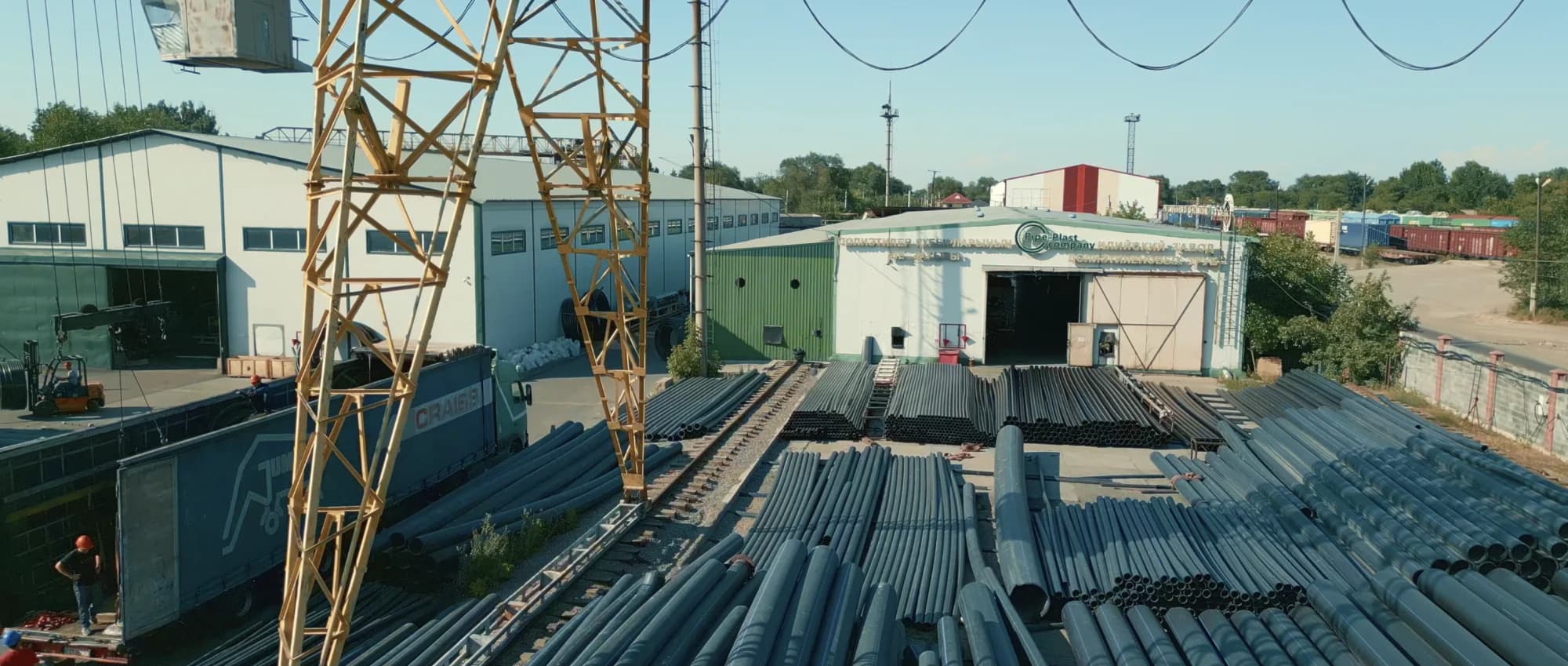
You can leave water in an HDPE pipe over winter only if the pipe lies below the soil freezing depth or the house is heated. If the pipe runs on the surface, shallow, or in an unheated house or dacha, drain it: the pipe itself usually survives a single freeze, but taps, fittings, the pump and appliances are destroyed. Order of draining: switch off the pump, open the taps, drain at the lowest point and blow out the sagging sections.
Can you leave water in an HDPE pipe over winter?
The answer depends not on the pipe itself but on where it lies and whether you use water in winter. Polyethylene is ductile, and the pipe usually survives a single freeze: the wall stretches and returns to size after thawing. So draining is needed not to save the pipe but the rest of the system: fittings, taps, the pump, the pressure tank, the water heater and the washing machine. Ice splits exactly these, and repair costs more than a few minutes of preparation in autumn.
If the pipe lies deeper than the soil freezing depth and works under pressure all year round, nothing needs to be drained.
What decides whether you need to drain the water?
The decision depends on conditions:
- Pipe below the freezing depth (in Almaty usually around 1–1.2 m, in northern Kazakhstan up to 2 m and more; check against the building codes (SNiP/SP) and the design): the water can stay.
- Pipe on the surface, in a shallow trench or along a wall: the water must be drained.
- House heated and lived in: draining is not needed if the temperature indoors does not fall below zero.
- Dacha or bathhouse not used in winter: drain the whole system, including the pump and appliances.
House entries, wells and well-head outlets are usually in the freezing zone: this is where freezing most often happens.
How to drain water from an HDPE pipe for winter: step by step
- Disconnect the pump and automation from the power supply.
- Shut off the supply from the well, borehole or main.
- Open the taps on mixers, in the shower and in the kitchen to the middle position. This clears both the hot and the cold line.
- Open the drain tap at the lowest point of the system and wait until the water stops running.
- Empty the pressure tank and drain the filters, housings and meters.
- Drain the boiler, washing machine and dishwasher following their instructions.
- Leave the taps and drain valves open all winter so that the remaining water runs out and no plugs form in the system.
What about the pump, the borehole and sagging sections?
In the pressure line from a submersible pump, water usually stays: there is a check valve at the outlet. So it is better to lift the pump out for winter, drain it and keep it in a warm place, and to fit a drain valve in the system through which water returns to the borehole. If there is no valve, the section has to be blown out.
The main problem when draining is sagging: water stays in dips of the pipe and where the line runs without slope. Check that the whole line slopes towards one drain point. Sagging sections are blown out with a compressor through a pressure regulator at low pressure, not above the working pressure of the system. Do not punch holes in the wall of a pressure pipe to drain it: you will ruin the pipe.
How to restart the water line in spring after draining?
In spring the system is restarted in reverse order and without hurry:
- Close the drain taps and valves, put the pump and filters back.
- Close the taps in the house, leaving one, the highest, open.
- Let water in slowly so that air escapes through the open tap, and close it when the stream is steady without bubbles.
- Switch on the pump and check the pressure.
- Inspect fittings and joints for leaks. If you find any, tighten or replace them.
If water is needed at the dacha in winter, the pipe is buried deeper or heated with a cable instead of draining; see our article on insulating a dacha water line.
Frequently asked questions
- Can antifreeze be poured into an HDPE pipe for winter?
- Not for a drinking water line: the liquid will get into the water. For a technical circuit not connected with drinking it is possible, but only with compounds approved for contact with plastic and safe in case of a leak. It is better to drain the water.
- Do I need to drain the water if the house is heated?
- If the temperature in the house stays above zero, draining is not needed. But if heating or electricity is cut off, a pipe in unheated rooms will freeze. For a long winter absence it is still simpler to empty the system.
- Do I need to drain a pipe buried 1 metre deep?
- For Almaty, 1–1.2 m is the freezing boundary, and in a cold winter the section can freeze. For your area, check the depth against the codes and the design. Surface outlets, house entries and sections near the foundation are insulated in any case.
- Why should taps be left open after draining?
- That way the remaining water runs out of the low points, and there are no closed volumes in the bodies of taps, filters and meters where water could freeze and split the body.