Can You Use HDPE Pipe Outdoors: Sun, Frost and Laying
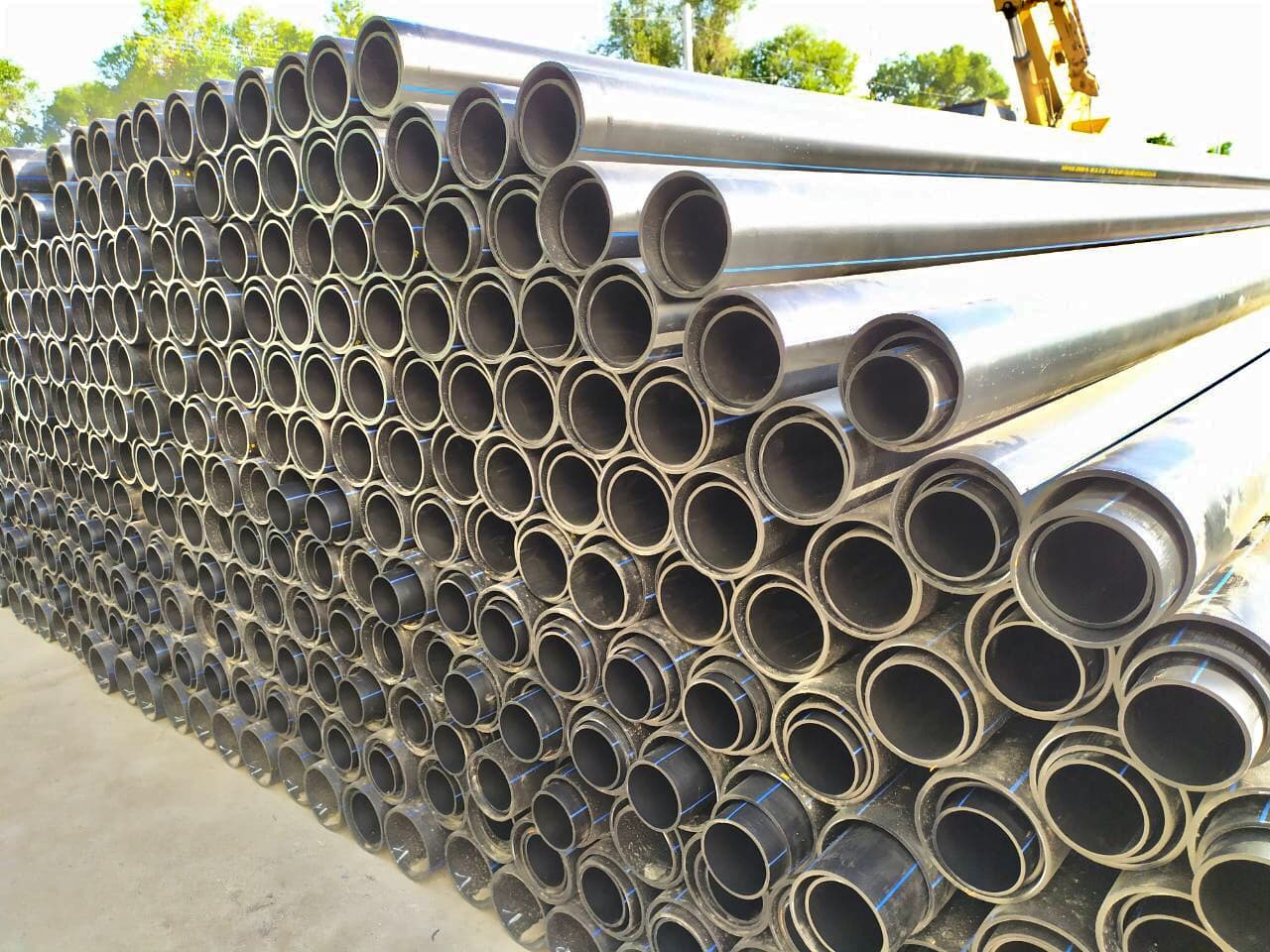
Yes, HDPE pipe can be used outdoors: polyethylene does not corrode and withstands frost down to −60 °C. Black pipe is protected from ultraviolet by carbon black and does not degrade in the sun. For above-ground laying take into account water heating, noticeable pipe expansion in warm weather, mechanical damage and winter freezing. The most reliable option for a permanent water line is a pipe in the ground below the freezing depth.
What is HDPE pipe used for outdoors?
Polyethylene suits outdoor networks for several reasons: it does not rust, does not overgrow inside, is flexible and tolerates ground movement. The ambient operating temperature of the material starts at −60 °C, so frosty winters are no problem. Outdoors HDPE pipes are most often used for water lines from a well or borehole to the house, for irrigation, for utility water and pressure sewers; for gas, separate pipes to a different standard are used.
Underground the pipe is best protected from sun and impact. Above ground it works too, but the measures below are needed.
Why is black HDPE pipe not afraid of the sun?
Ultraviolet breaks down polyethylene molecules: the material ages, becomes brittle and cracks appear on the surface. Carbon black added to the raw material protects against this: it absorbs UV and does not let the radiation penetrate the wall. That is why outdoor water pipes are usually black with a blue longitudinal stripe.
Such a pipe does not need painting. Light-coloured and coloured pipes without a UV stabiliser last noticeably less in the sun: they are used inside buildings or hidden under cladding, and covered if outdoors. The colour does not affect the taste or safety of water: the quality of a drinking pipe is confirmed by a certificate of conformity and a health authority conclusion.
What to consider when laying above ground?
If the pipe lies in the open air, pay attention to four things:
- Heating. A black pipe heats up strongly in the sun. The water in it warms up, and the permissible pressure of polyethylene falls as it heats; for water the nominal regime remains up to +40 °C. On hot days allow a pressure margin or shade the section.
- Expansion. Polyethylene expands noticeably when heated. Do not tension the pipe; fix it with soft clamps on supports so that it can move, and on long lines make a small expansion bend.
- Mechanical damage. Sharp stones, wheels, mowers, shovels: scratches shorten the life. Risky places are covered with a casing or sleeve.
- Winter. Water in an open pipe freezes first, so the line is drained or insulated.
When is it better to bury an HDPE pipe?
For a permanent water line a pipe in the ground is almost always better than one on the surface. The soil protects it from ultraviolet, temperature swings and impact, and below the freezing depth water does not freeze in winter. For Almaty the freezing depth is usually around 1–1.2 m, in northern Kazakhstan 2 m and more; check the exact value for your area against the building codes (SNiP/SP) and the design.
For drinking and household water on the plot choose PE100: for private houses SDR17 (PN10) to GOST 18599-2001 is usually enough — we manufacture such pipes. If a pressure margin is needed, SDR13.6 or SDR11 is used. Above-ground laying is left for seasonal lines: irrigation, a summer water line.
What are the features of black PE pipes for water?
Advantages: they do not corrode, the smooth wall does not overgrow with deposits, they are not afraid of frost and ground movement, last up to 50 years and install quickly. Limitations: the water in the pipe should not be hotter than +40 °C (above +20 °C the permissible pressure is reduced), and in direct sun without protection the pipe itself heats up too.
When buying a pipe for water, check the marking: under GOST 18599-2001 a water pipe is black with blue longitudinal stripes (fully blue is also permitted), and the body carries the manufacturer, polyethylene grade, diameter, wall thickness and pressure. Ask the supplier for a certificate of conformity and a hygiene conclusion.
Frequently asked questions
- Does a black HDPE pipe need to be covered from the sun?
- Not necessarily: carbon black protects the material from ultraviolet. Covering or shading is useful if the water in the pipe heats up in summer, and for light-coloured and coloured pipes without UV protection.
- Can you drink water from a pipe lying in the sun?
- The material is safe if the pipe is a certified drinking pipe, but the water in it heats up and stagnates in the sun. Drain the warmed water first before use, and for drinking it is better to bury the line.
- How long does an HDPE pipe last in the open air?
- The stated service life of 50 years refers to normal operating conditions. On the surface the life depends on protection from impact, overheating and freezing. There is no single figure for all conditions; follow the manufacturer's recommendations.
- Can water be left in an open pipe over winter?
- No: on the surface the water will freeze and fittings and taps will suffer. The line is drained or insulated; the draining procedure is described in our article on winterising a water line.